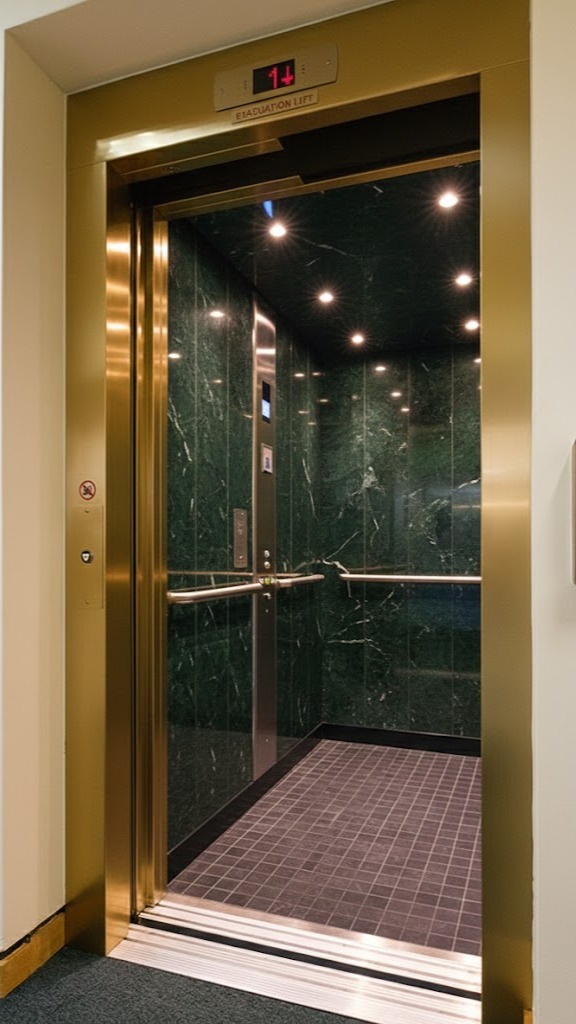
Commercial elevator installation is a specialized process that involves the planning, design, and execution of elevator systems in commercial buildings such as office complexes, shopping malls, hospitals, hotels, and industrial facilities. Unlike residential elevators, commercial elevators are built to handle high passenger traffic, heavier loads, and continuous operation, which requires precise engineering, professional installation, and strict adherence to safety standards. A correctly installed commercial elevator ensures smooth, efficient, and reliable vertical transportation, enhancing the functionality and convenience of the building.
The installation process begins with a thorough site assessment and planning phase. Engineers and project managers evaluate the building’s structural requirements, expected traffic flow, load capacity, and shaft dimensions. Based on these factors, they determine the most suitable elevator type — such as traction elevators, machine-room-less (MRL) systems, hydraulic elevators, or goods/passenger combination lifts. This planning phase also includes designing the elevator shaft, pit, machine room (if needed), and control systems to ensure that the elevator integrates seamlessly with the building’s architecture and operational requirements.