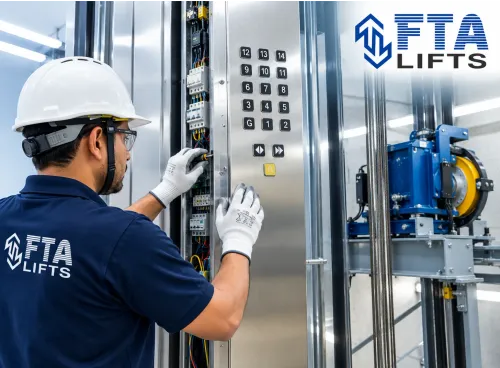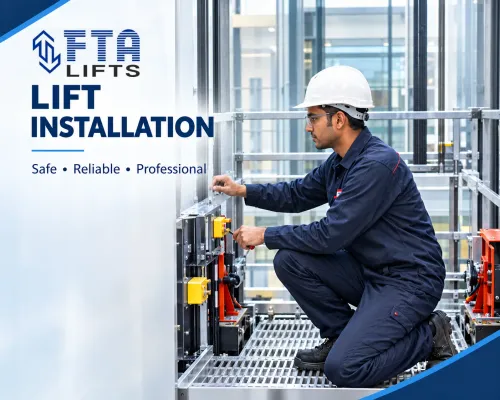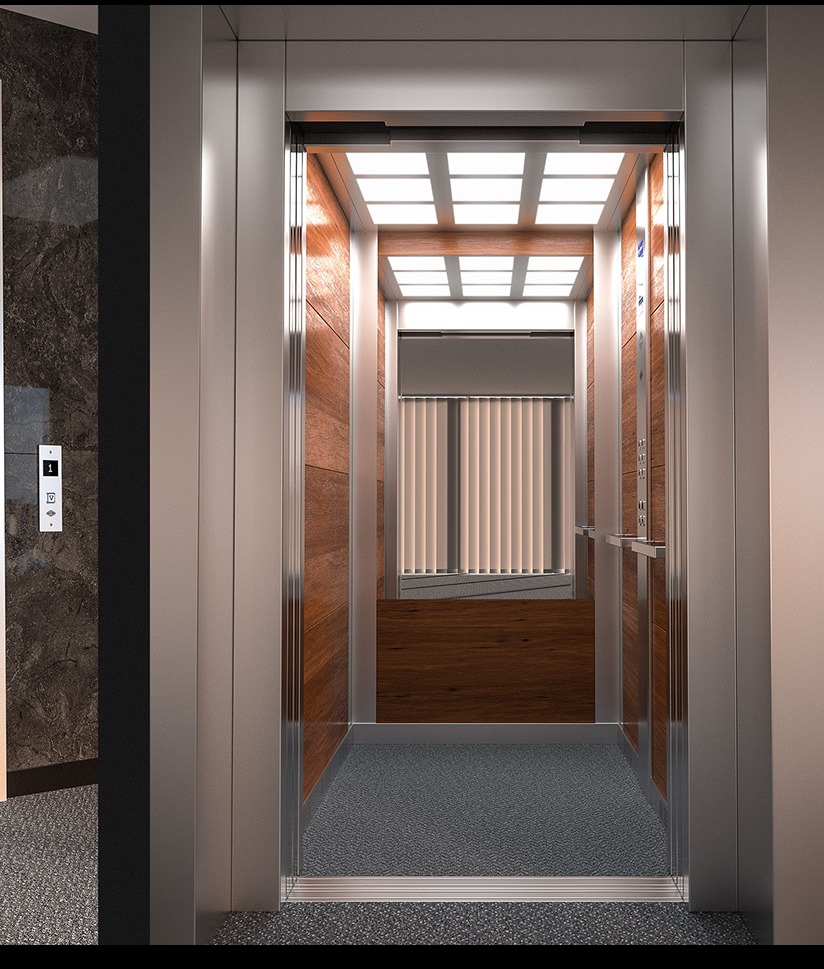
Lift modernization is the process of upgrading existing elevator systems to improve their performance, safety, and appearance without completely replacing the entire installation. Over time, elevators experience wear and tear due to frequent use, environmental factors, and technological obsolescence. Modernization becomes necessary when the lift starts showing signs of inefficiency—such as jerky rides, slow speed, frequent breakdowns, or outdated controls—or when it no longer complies with current safety standards. The goal is to extend the life of the lift, enhance reliability, and bring it up to the level of modern systems.
The modernization process usually begins with a comprehensive inspection and assessment. Engineers evaluate the elevator’s mechanical, electrical, and control components to determine which parts need replacement or upgrading. Common upgrades include new control panels, motors, traction machines, door systems, safety devices, and interior cabin refurbishments. In some cases, old relays and manual systems are replaced with microprocessor-based controllers that improve precision, energy efficiency, and smoothness of ride. For hydraulic lifts, modernization may involve installing new pumps, valves, and control units for better performance.