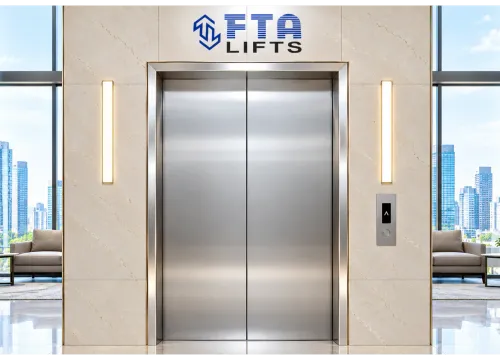
Lifts, or elevators, are essential components of modern architecture, enabling efficient vertical movement in buildings of all sizes. As cities expand upward, lift systems have become more than just transportation tools—they are integral to building functionality, safety, and design.
Lift systems vary depending on building height, usage, and design requirements. The most common types include traction lifts, hydraulic lifts, machine-room-less (MRL) lifts, and pneumatic lifts. Traction lifts, which use ropes and counterweights, are ideal for high-rise buildings due to their speed and efficiency. Hydraulic lifts operate using fluid-driven pistons and are typically used in low-rise structures. MRL lifts eliminate the need for a separate machine room, saving space, while pneumatic lifts, using air pressure, offer sleek solutions for residential or light commercial use.
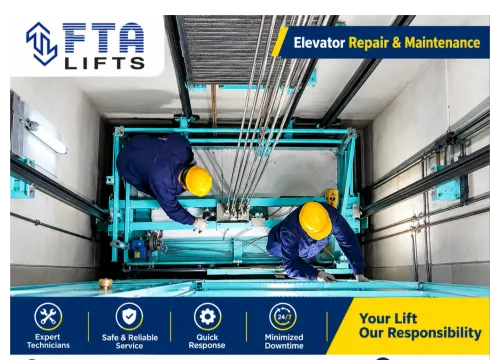
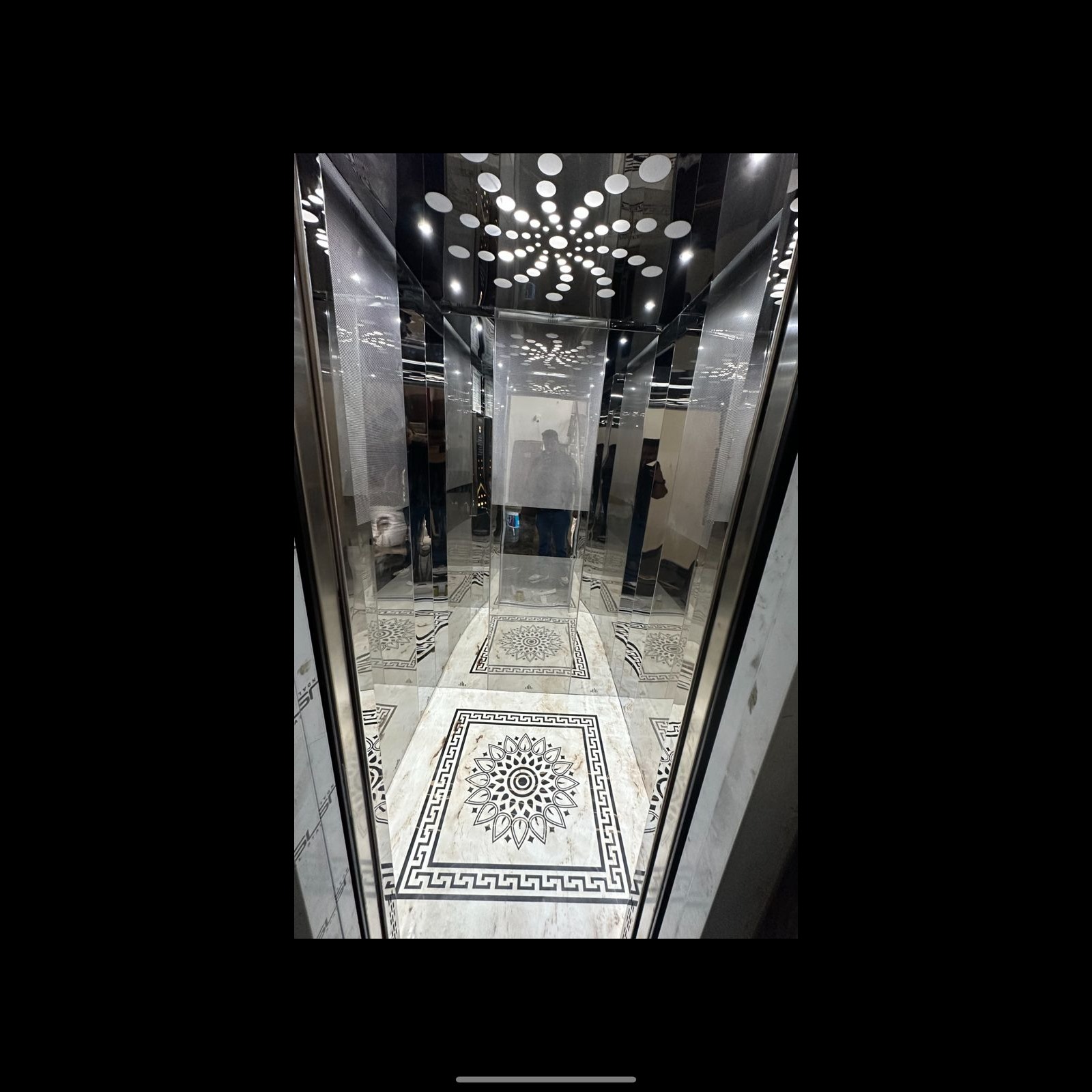
A well-designed lift system includes several components: the car, shaft, drive mechanism, control systems, and safety features. Modern designs also prioritize aesthetics, accessibility, and energy efficiency. Glass walls, touchless buttons, and voice controls are now common in luxury or public installations.
Technological advancements have led to smart elevators that optimize travel using destination control and predictive algorithms. These systems not only reduce wait times but also enhance energy performance.
In architectural planning, lift placement, size, and number directly impact building layout, user flow, and compliance with safety regulations. As urban density grows, lift systems continue to evolve, reflecting a balance between engineering precision, user experience, and architectural vision. They are, quite literally, the vertical arteries of modern buildings.